The Family Care Model Overview

The UKR Family Care Model

A Structured, Rights-Based Pathway from Vulnerability to Thriving Independence

About The UKR Family Care Model

Introduction

The Family Care Model is the core program of United Kenya Rising (UKR). It is a holistic, family-centered, and rights-based approach designed to strengthen vulnerable households socially, economically, and psychosocially.

The model recognizes that the family is the primary and most critical environment for a child’s growth, protection, and development. When families are stable and empowered, children are protected, dignity is restored, and communities become resilient.

Operating in Kakamega and Vihiga Counties, the Family Care Model walks alongside families through a structured three-year transformation journey. The journey begins with stabilizing urgent risks, progresses into deliberate capacity building, and culminates in sustainable independence.

UKR does not replace families. UKR strengthens them.

Our Program Philosophy

Partnership, Not Handouts

The Family Care Model is built on partnership. Families are active participants in their own development, not passive recipients of aid.

Each family:

  • Co-creates a Family Action Plan.
  • Commits to structured participation.
  • Implements agreed-upon activities.
  • Takes increasing ownership over time.

Support is:

  • Time-bound
  • Goal-oriented
  • Conditional upon participation
  • Designed to build long-term capacity

Objective: Dignity and independence — not dependency.

2.1 Proportionate and Rights-Based Support

Assistance is:

  • Appropriate to the level of risk
  • Time-bound
  • Respectful of family dignity
  • Designed to reduce long-term vulnerability

2.2 Strengthening and Preserving the Family Unit

All interventions aim to:

  • Build parental capacity
  • Strengthen household systems
  • Ensure children remain in family-based care whenever possible

Legal and Rights-Based Foundation

The Family Care Model aligns with international child protection standards and the Children Act 2022, ensuring that all actions prioritize children’s rights within family systems.

The five Pillars (5 guiding Stars) of

Family Care Model

Education

Increase the number of school graduates equipped with knowledge and skills to effectively transition to employment and entrepreneurship.

Livelihoods

Equip vulnerable parents, caregivers, and families with financial literacy and technical skills for economic independence

Agriculture

Increasing food security in families by improving farm productivity through the integration of relevant farming technologies and agricultural training

Dignified Homes

To increase the number of families living dignified lives by improving home structures and providing basic needs
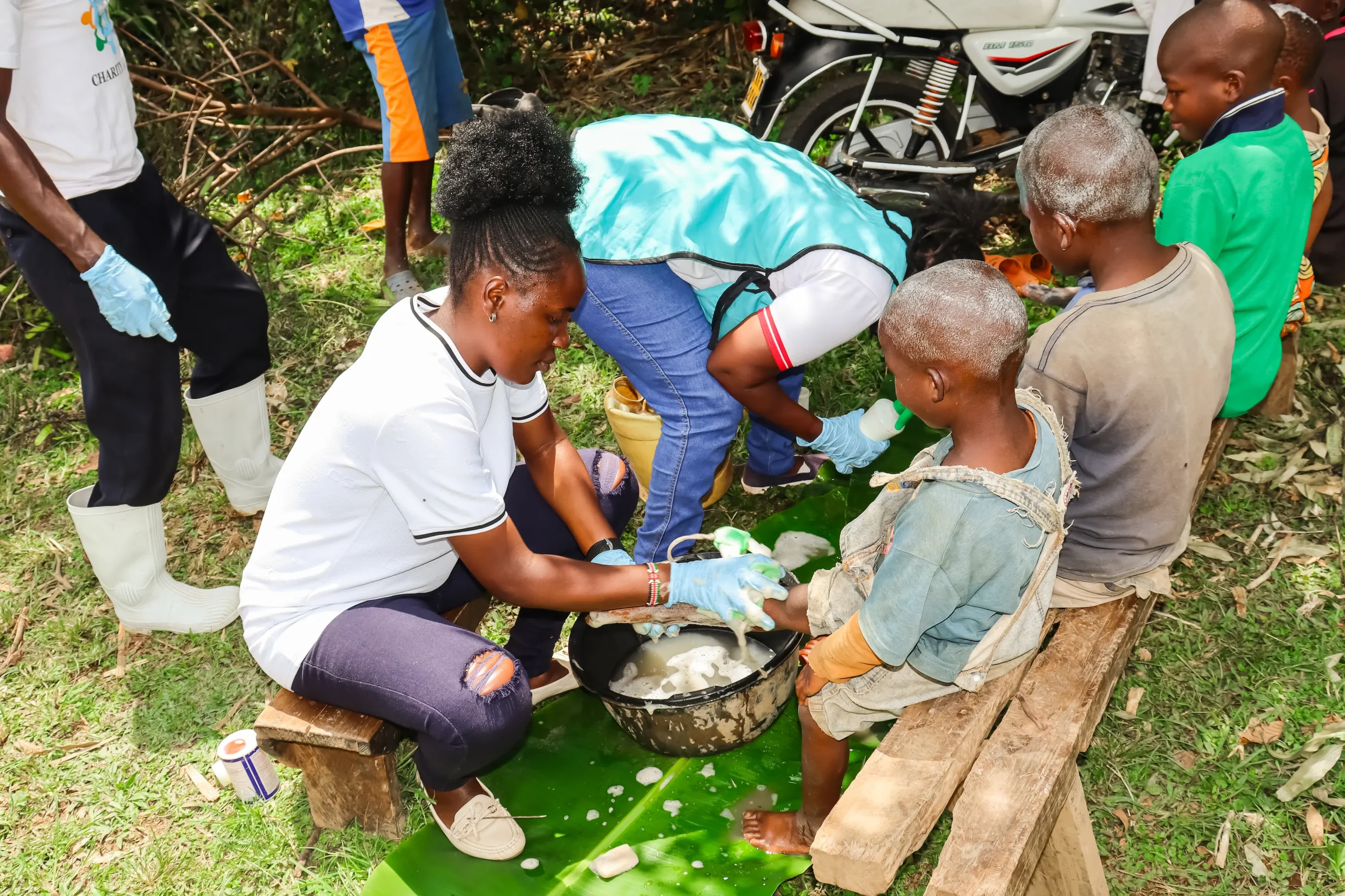
Health and Sanitation

Improve health outcomes and well-being of vulnerable families through health advocacy
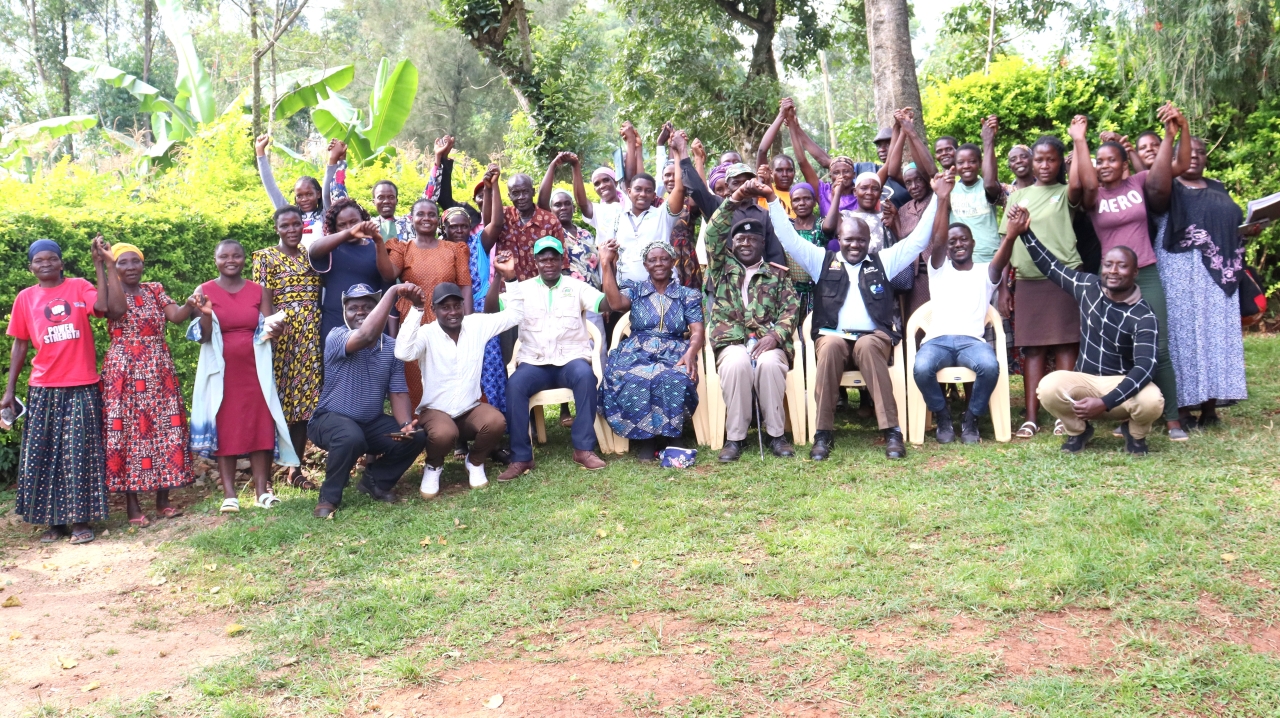
The Four Phases of the Family Care Journey

The Family Care Model follows a structured, time-bound progression over three years. Each phase builds upon the previous one to ensure sustainable impact.

Monitoring, Accountability, and Safeguarding

The Family Care Model includes:
• Baseline and periodic household assessments.
• Structured home visits.
• Phase-based progress evaluations.
• Child safeguarding reporting mechanisms.
• Documentation of measurable impact indicators.
Monitoring ensures accountability, transparency, and continuous improvement.

Ready to Transform a Family’s Future?

At United Kenya Rising, we believe every family deserves dignity, opportunity, and hope. Join us as we walk alongside vulnerable families toward lasting transformation.

Scroll to Top